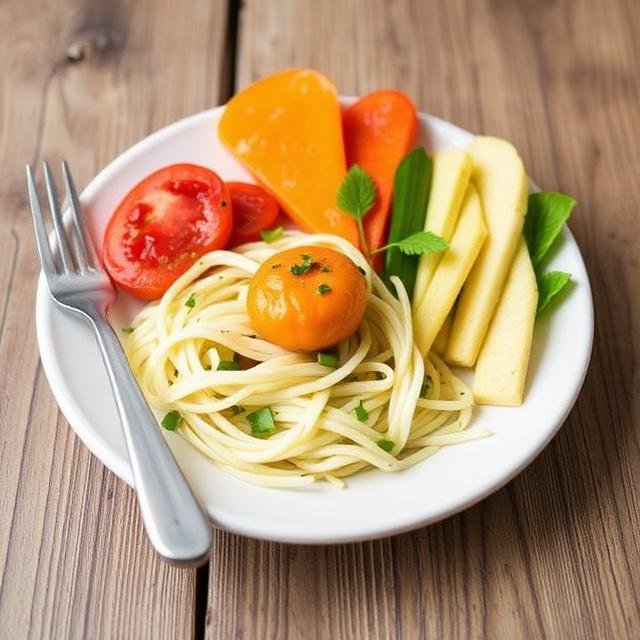
Eating healthy isn’t just about short-term diets or strict meal plans—it’s about creating a sustainable approach that you can maintain for life. A healthy eating plan helps you get the nutrients you need, manage your weight, and improve overall well-being without feeling restricted or overwhelmed.
This guide will show you how to build a sustainable healthy eating plan that fits your lifestyle and supports long-term health.
🌱 Start With Balanced Nutrition
A sustainable plan is built on variety and balance. Make sure your meals include:
- Carbohydrates: Whole grains like oats, brown rice, quinoa
- Proteins: Lean meats, fish, eggs, legumes, tofu
- Healthy fats: Avocados, olive oil, nuts, seeds
- Fruits and vegetables: A variety of colors for vitamins and minerals
- Fiber: To support digestion and satiety
A balanced plate ensures your body gets all the nutrients it needs.
🥣 Focus on Whole, Unprocessed Foods
Processed foods often contain added sugar, salt, and unhealthy fats. Choose whole foods as much as possible:
- Fresh fruits and vegetables
- Whole grains instead of refined ones
- Fresh protein sources
- Healthy fats instead of fried or packaged snacks
Eating whole foods naturally supports health and reduces cravings.
🍽️ Plan Realistic Portions
Portion control is key for a sustainable eating plan.
Tips for portion control:
- Fill half your plate with vegetables
- One-quarter with protein
- One-quarter with whole grains or starchy vegetables
- Use smaller plates to prevent overeating
- Listen to your body’s hunger and fullness signals
Portion awareness helps prevent overconsumption while keeping you satisfied.
💧 Stay Hydrated
Hydration is an important part of healthy eating. Water supports digestion, metabolism, and overall health.
Tips for staying hydrated:
- Drink water throughout the day
- Replace sugary drinks with water or herbal teas
- Include water-rich foods like cucumbers, melons, and citrus
🕒 Make Meal Timing Work for You
Consistency in meal timing can help regulate appetite and energy levels:
- Eat regular meals and healthy snacks
- Avoid skipping meals to prevent overeating later
- Adjust timing based on your lifestyle and activity level
A flexible schedule makes the plan easier to maintain long-term.
🥗 Include Foods You Enjoy
A sustainable eating plan isn’t about eliminating all treats. Enjoying your favorite foods in moderation prevents feelings of restriction.
Tips:
- Treat yourself occasionally without guilt
- Explore healthier versions of your favorite dishes
- Make meals enjoyable and satisfying
When you enjoy what you eat, it’s easier to stick with healthy habits.
📝 Plan Ahead
Meal planning reduces stress and keeps you on track.
Ideas for planning:
- Prepare a weekly grocery list with balanced meals
- Batch cook or prep ingredients in advance
- Keep healthy snacks available to avoid processed options
Planning saves time and makes healthy eating more convenient.
🧠 Stay Mindful
Mindful eating helps you recognize true hunger and prevents overeating:
- Eat slowly and savor your food
- Avoid distractions like TV or phones while eating
- Listen to your body’s cues for hunger and fullness
Mindfulness improves your relationship with food and supports long-term adherence.
🌟 Focus on Progress, Not Perfection
Sustainable healthy eating is about consistent, small improvements, not perfection.
- Start with one or two changes at a time
- Adjust gradually rather than making drastic restrictions
- Celebrate progress and learn from setbacks
Consistency over time creates lasting results.
🚀 Final Thoughts
Creating a sustainable healthy eating plan is about balance, variety, and enjoyment. By focusing on whole foods, proper portions, hydration, mindful eating, and realistic planning, you can develop habits that support long-term health without feeling deprived.
Healthy eating is a lifestyle, not a temporary fix. Start small, stay consistent, and let your body thrive.