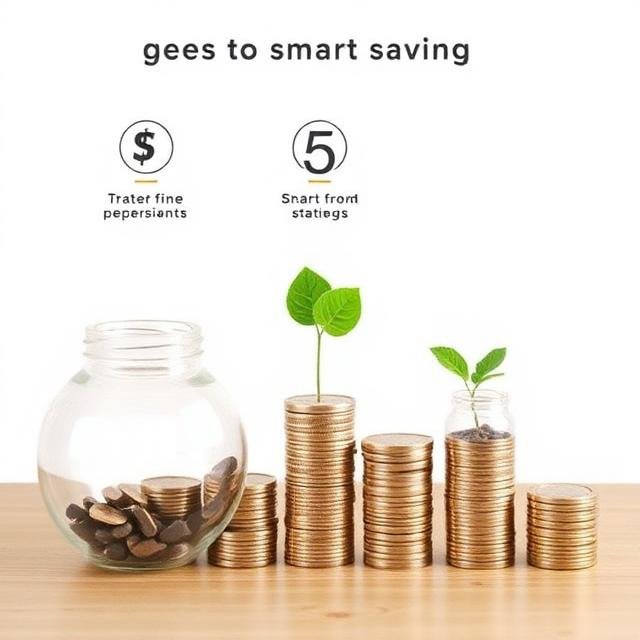
With rising living costs and household bills putting pressure on budgets, saving money every month can feel challenging. However, small, consistent changes to how you manage your finances can make a noticeable difference over time. Saving isn’t about cutting out all enjoyment — it’s about spending smarter and building habits that support long-term financial security.
Here are some of the best and most practical ways to save money every month in the UK.
1. Create a Monthly Budget (and Stick to It)
A clear budget is the foundation of effective money-saving. Start by listing your monthly income and fixed expenses such as rent, council tax, utilities and transport. Then track variable spending like groceries, eating out and subscriptions.
Knowing exactly where your money goes helps identify areas where you can cut back without feeling deprived.
Tip: Use budgeting apps or a simple spreadsheet to keep things organised.
2. Review Your Bills and Switch Providers
Many people overpay for services simply because they haven’t reviewed them in years. Regularly check your energy, broadband, mobile and insurance deals.
Switching providers can save hundreds of pounds annually, especially for energy, car insurance and home insurance.
Tip: Use comparison websites and set reminders to review contracts before renewal dates.
3. Reduce Grocery Spending Without Sacrificing Quality
Food is one of the easiest areas to overspend. Planning meals in advance and shopping with a list can significantly cut costs.
- Avoid shopping when hungry
- Buy own-brand products
- Take advantage of loyalty schemes
- Freeze leftovers to reduce food waste
These habits can save a surprising amount each month.
4. Cut Unused Subscriptions and Memberships
Streaming services, gym memberships and app subscriptions can quietly drain your account. Review your bank statements and cancel anything you no longer use or truly need.
Tip: If you use a service occasionally, consider sharing family plans where possible or switching to a cheaper alternative.
5. Set Up Automatic Savings
Saving becomes easier when it’s automatic. Set up a standing order to transfer money into a savings account as soon as you get paid — even a small amount makes a difference.
High-interest savings accounts or easy-access ISAs can help your money grow while remaining flexible.
6. Be Smart About Transport Costs
Transport is another major monthly expense in the UK. Consider walking, cycling or using public transport when possible.
If you drive:
- Combine trips to save fuel
- Compare fuel prices
- Ensure your car is well maintained
You may also save money by reviewing your car insurance annually.
7. Shop Smarter and Avoid Impulse Purchases
Before buying something non-essential, give yourself a 24-hour cooling-off period. This helps avoid impulse spending and unnecessary purchases.
Shopping during sales, using cashback websites and looking for discount codes can also reduce monthly spending.
8. Lower Your Energy Usage
Small changes in daily habits can reduce energy bills:
- Turn off appliances at the socket
- Use energy-efficient light bulbs
- Wash clothes at lower temperatures
- Limit heating where possible
Over time, these adjustments add up to meaningful savings.
Final Thoughts
Saving money every month in the UK isn’t about drastic lifestyle changes — it’s about consistency and awareness. By budgeting carefully, reviewing expenses regularly and building smart spending habits, you can steadily improve your financial situation.
Even modest savings each month can grow into a valuable safety net or help fund future goals. Start small, stay consistent and remember that progress is more important than perfection.