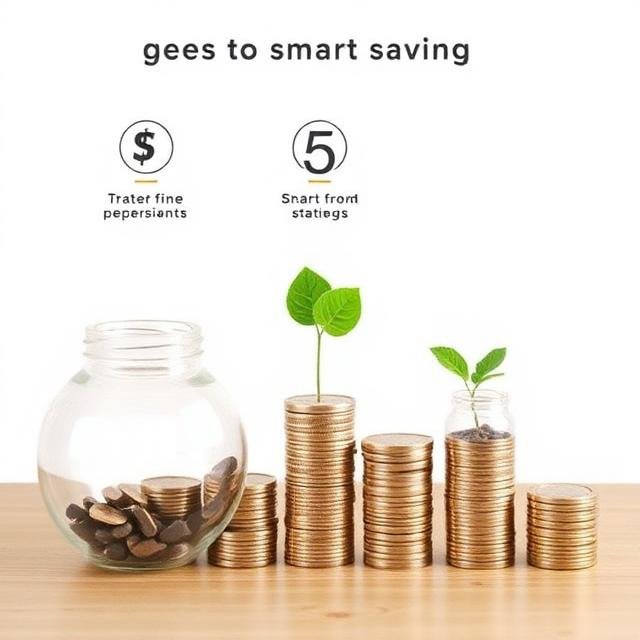
Life is unpredictable. A sudden job loss, unexpected car repair or urgent household expense can quickly derail your finances if you’re unprepared. That’s where an emergency fund comes in. Building an emergency fund is one of the most important steps you can take towards financial stability and peace of mind.
This guide explains how to build an emergency fund in the UK, even if you’re starting from scratch.
What Is an Emergency Fund?
An emergency fund is a pot of money set aside specifically for unexpected expenses. It acts as a financial safety net, helping you avoid debt when life throws you a curveball.
Common emergencies include:
- Loss of income
- Urgent home or car repairs
- Medical or dental costs
- Unexpected travel expenses
This fund is not meant for holidays, shopping or planned purchases.
How Much Should You Save?
A common recommendation in the UK is to save three to six months’ worth of essential living expenses. This includes rent or mortgage payments, utilities, food, transport and insurance.
If that feels overwhelming, start small. Even £500–£1,000 can make a big difference in handling minor emergencies while you work towards a larger goal.
Step 1: Assess Your Monthly Expenses
Begin by calculating your essential monthly costs. Focus only on necessities, not lifestyle spending. This will help you set a realistic emergency fund target.
Knowing your baseline expenses also makes it easier to adjust your budget if your income changes.
Step 2: Open a Dedicated Savings Account
Your emergency fund should be:
- Easy to access
- Separate from your everyday spending
- Earning interest
In the UK, easy-access savings accounts or cash ISAs are popular choices. Avoid locking your money into accounts with penalties or long notice periods.
Step 3: Set Up Automatic Savings
Consistency is key. Set up a standing order to transfer money into your emergency fund as soon as you get paid. Automating savings removes the temptation to spend first and save later.
Even saving a small amount each month is better than not saving at all.
Step 4: Cut Back and Redirect Savings
Look for small areas where you can reduce spending, such as:
- Cancelling unused subscriptions
- Cooking more meals at home
- Switching utility or insurance providers
Redirect the money you save directly into your emergency fund to accelerate progress.
Step 5: Use Windfalls Wisely
Bonuses, tax refunds, gifts or side-hustle income can give your emergency fund a significant boost. While it’s fine to enjoy some of this money, consider putting a portion into your savings to strengthen your financial safety net.
Step 6: Only Use It for True Emergencies
Discipline is essential. Use your emergency fund only for genuine, unexpected situations. If you dip into it, make a plan to replenish the fund as soon as possible.
Step 7: Review and Adjust Regularly
As your income and expenses change, your emergency fund target may need updating. Review it at least once a year to ensure it still meets your needs.
Final Thoughts
Building an emergency fund in the UK is a powerful step towards financial independence and reduced stress. You don’t need a large income or perfect budgeting skills to get started — just commitment and consistency.
Start where you are, save what you can and build gradually. Over time, your emergency fund will provide security, confidence and peace of mind when you need it most.