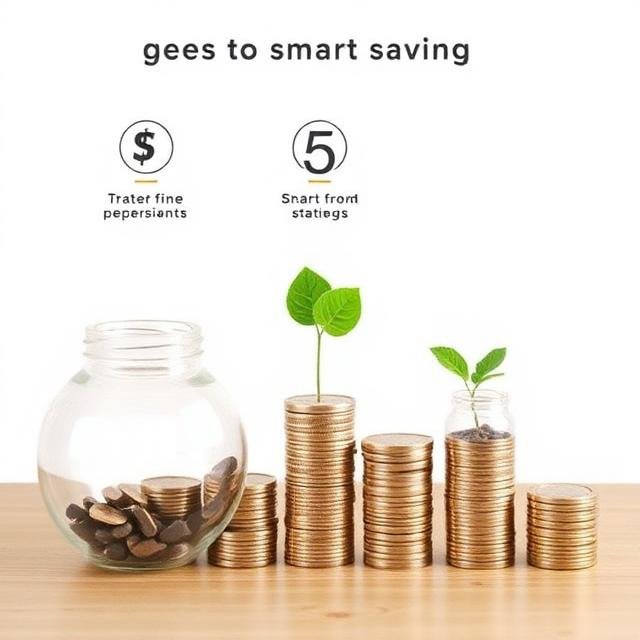
With rising living costs and increasing financial pressures, many UK households are looking for smarter ways to save money without sacrificing comfort or quality of life. The good news is that effective saving doesn’t require drastic changes — just thoughtful planning and consistent habits.
This guide outlines smart, realistic saving strategies that UK households can use to improve financial stability and build a more secure future.
1. Create a Household Budget That Works
A clear household budget is the foundation of smart saving. Start by listing all sources of income and essential expenses such as housing, utilities, food, transport and childcare.
Review your budget monthly and involve everyone in the household where possible. Shared awareness encourages better spending decisions and helps avoid unnecessary costs.
2. Reduce Energy and Utility Costs
Energy bills are a major expense for UK households. Simple changes can lead to noticeable savings:
- Switch off appliances at the socket
- Use energy-efficient lighting
- Reduce heating slightly and layer clothing
- Run washing machines at lower temperatures
Comparing energy providers regularly can also help ensure you’re not overpaying.
3. Plan Meals and Shop Strategically
Food costs can quickly add up, especially for families. Meal planning reduces waste and avoids last-minute, expensive purchases.
Smart grocery habits include:
- Creating a weekly meal plan
- Buying own-brand items
- Using loyalty cards and discount offers
- Cooking in batches and freezing leftovers
4. Review Insurance and Household Bills Annually
Many households overpay for insurance and subscriptions. Reviewing home insurance, car insurance, broadband and mobile contracts each year can lead to significant savings.
Switching providers or renegotiating contracts often results in better deals.
5. Build a Household Emergency Fund
An emergency fund is essential for long-term financial security. Aim to save three to six months of essential household expenses over time.
Even small, regular contributions can build a strong financial buffer and reduce reliance on credit during unexpected situations.
6. Cut Back on Unnecessary Subscriptions
Streaming services, apps and memberships can quietly drain household finances. Audit your subscriptions and cancel anything that’s rarely used.
Limiting subscriptions to essentials can free up money for savings or family goals.
7. Teach Children Smart Money Habits
Involving children in age-appropriate money discussions helps build good habits early. Encourage saving, budgeting and mindful spending to promote long-term financial awareness within the household.
8. Use Savings Accounts Wisely
Make sure your savings are working for you. Easy-access savings accounts or Cash ISAs can help your money grow while remaining accessible.
Automating monthly transfers into savings accounts makes consistency easier.
Final Thoughts
Smart saving strategies for UK households are about balance, communication and consistency. By planning ahead, reviewing expenses regularly and building good financial habits together, households can reduce financial stress and strengthen their long-term security.
Small changes made today can lead to meaningful savings and greater peace of mind in the future.