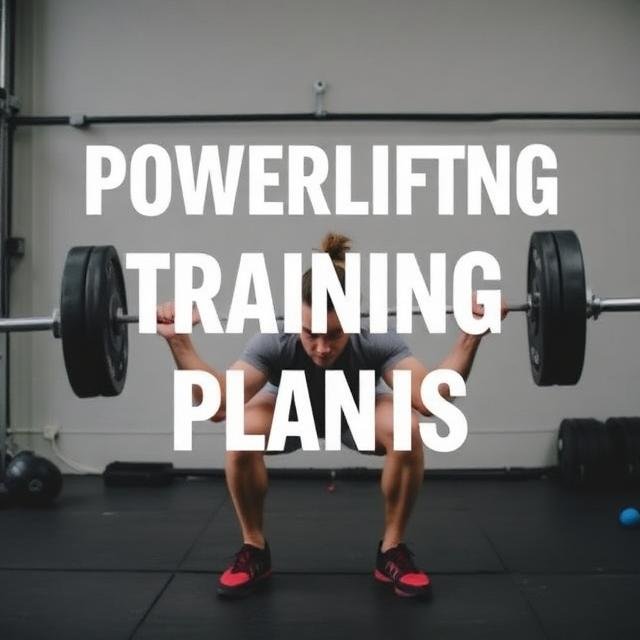
If you’re an athlete — whether you play football, basketball, soccer, track, baseball, or compete in combat sports — strength training isn’t optional. It’s the engine behind your performance. Speed? That’s strength expressed quickly. Explosiveness? That’s strength applied with force. Injury resistance? That’s strength protecting your body under pressure.
But here’s the thing: not all strength programs are built the same. What works for a bodybuilder trying to grow bigger arms isn’t necessarily ideal for a linebacker, sprinter, or tennis player. Athletes need structured, purposeful, performance-driven strength training programs.
Let’s break down exactly how strength training programs for athletes should be designed — and how you can build one that actually improves performance instead of just adding muscle.
🧠 Why Strength Training Is Critical for Athletes
Strength training is more than lifting heavy weights. For athletes, it’s about improving movement efficiency, power output, and durability. When done correctly, strength training enhances:
- Explosiveness
- Acceleration and sprint speed
- Jump height
- Agility and change of direction
- Injury prevention
- Muscle balance and joint stability
Think of strength like the foundation of a house. If the foundation is weak, everything built on top becomes unstable. The stronger your base, the more power you can generate safely and efficiently.
Athletes who neglect structured strength training often plateau in performance. Worse, they increase their risk of injury because their muscles and connective tissues aren’t prepared for the demands of competition.
🏋️ The Core Components of an Effective Strength Program
A well-designed strength training program for athletes typically includes several essential components. It’s not just “lift heavy and go home.”
1. Compound Movements
These are multi-joint exercises that build real-world strength:
- Squats
- Deadlifts
- Bench press
- Pull-ups
- Rows
- Overhead presses
Compound lifts recruit more muscle fibers and build coordinated strength that transfers to sport.
2. Power Development
Athletes must train explosiveness, not just slow strength. Power movements include:
- Olympic lifts (cleans, snatches)
- Box jumps
- Medicine ball throws
- Sprint variations
These exercises train the nervous system to produce force quickly — crucial for competition.
3. Unilateral Training
Most sports are played on one leg at a time. That means single-leg and single-arm training is essential:
- Bulgarian split squats
- Single-leg RDLs
- Lunges
- Single-arm presses
This improves balance, stability, and injury prevention.
4. Core and Rotational Strength
Athletes rarely move straight up and down. They rotate, twist, and change direction. A good program includes:
- Pallof presses
- Cable rotations
- Planks and anti-rotation work
- Medicine ball rotational throws
📅 Structuring a Weekly Strength Training Program
The structure of a strength program depends on the athlete’s season:
- Off-season: Focus on building maximal strength and muscle.
- Pre-season: Shift toward power and sport-specific movements.
- In-season: Maintain strength while minimizing fatigue.
Here’s an example of a simple 4-day off-season split:
Day 1: Lower Body Strength
- Back Squats (4×5)
- Romanian Deadlifts (3×6)
- Walking Lunges (3×8 each leg)
- Core Stability Work
Day 2: Upper Body Strength
- Bench Press (4×5)
- Pull-Ups (4×6)
- Dumbbell Rows (3×8)
- Shoulder Stability Work
Day 3: Lower Body Power
- Power Cleans (4×3)
- Box Jumps (4×3)
- Split Squats (3×6 each leg)
- Hamstring Curls
Day 4: Upper Body Power
- Push Press (4×3)
- Medicine Ball Chest Pass (4×5)
- Lat Pulldowns (3×8)
- Core Rotational Training
This is just a framework — real programs should be tailored to the athlete’s sport and position.
🏃 Sport-Specific Strength Considerations
Not all athletes need the same strength profile.
⚽ Soccer Players
They need endurance, speed, and lower-body strength. Training focuses on:
- Single-leg strength
- Hip stability
- Acceleration drills
🏈 Football Players
They need maximal force production and explosiveness:
- Heavy compound lifts
- Olympic lifting
- Short-burst sprint work
🏀 Basketball Players
Vertical jump and agility are priorities:
- Plyometrics
- Reactive strength
- Posterior chain development
🥊 Combat Sport Athletes
Rotational power and core strength matter most:
- Rotational throws
- Grip strength
- Explosive hip movements
The program must match the sport’s demands. Otherwise, you’re training hard without training smart.
🔁 Progressive Overload: The Engine of Improvement
Athletes don’t improve by repeating the same workout forever. Strength programs must include progressive overload — gradually increasing demand over time.
This can happen by:
- Increasing weight
- Increasing reps
- Adding sets
- Reducing rest time
- Improving movement quality
Small improvements compound. Five extra pounds today becomes 50 extra pounds months later.
🛡️ Injury Prevention Through Strength Training
One of the most underrated benefits of strength training is injury prevention. Strong muscles stabilize joints and absorb impact better.
Programs should include:
- Hamstring strengthening (to prevent pulls)
- Glute activation
- Shoulder stability exercises
- Ankle and knee stabilization drills
Athletes who consistently train strength with proper form often stay healthier throughout the season.
⏱️ How Long Should Strength Sessions Last?
For most athletes, 60–75 minutes is ideal. Quality matters more than quantity. Long, exhausting sessions can interfere with sport practice and recovery.
A strong session typically includes:
- Dynamic warm-up (10–15 minutes)
- Main strength or power work (30–40 minutes)
- Accessory and injury-prevention exercises (10–15 minutes)
- Cooldown and mobility (5–10 minutes)
Consistency beats marathon workouts.
🥗 Nutrition and Recovery Matter Just as Much
You can’t out-train poor recovery. Strength training breaks muscle down — recovery builds it back stronger.
Athletes should prioritize:
- Adequate protein intake
- Proper hydration
- 7–9 hours of sleep
- Active recovery days
Without recovery, strength gains stall and injury risk increases.
🚀 Common Mistakes Athletes Make
Let’s be honest — a lot of athletes sabotage their progress. Common mistakes include:
- Lifting with poor technique
- Ignoring mobility
- Skipping warm-ups
- Training too heavy in-season
- Not adjusting programs based on fatigue
Strength training is a long game. Rushing progress usually backfires.
🏆 Final Thoughts on Strength Training for Athletes
Strength training isn’t just about getting stronger — it’s about becoming a better athlete. A properly structured program builds power, speed, durability, and confidence. It reduces injury risk and improves overall athletic longevity.
The key? Train with intention. Match your program to your sport. Progress gradually. Recover properly. Stay consistent.
Do that, and your strength training won’t just improve your lifts — it’ll transform your performance.
.