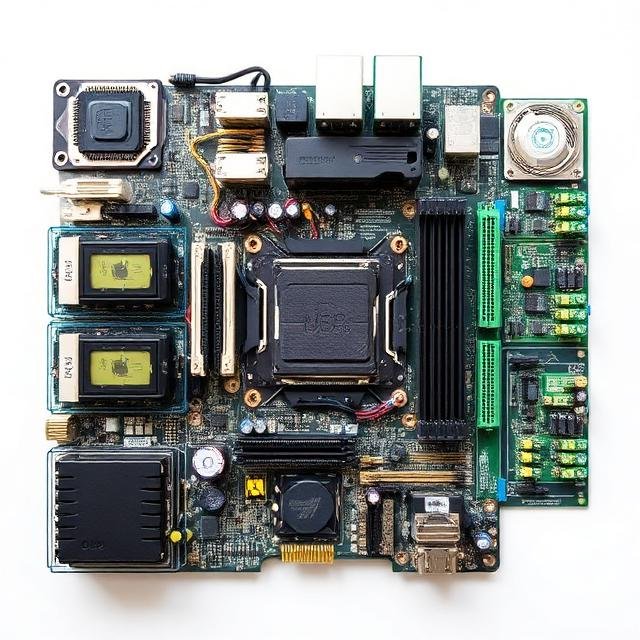
Technology has become an essential part of the modern workplace. Businesses across industries rely on digital tools and advanced systems to improve efficiency, communication, and overall performance. By automating tasks, simplifying communication, and providing access to real-time data, technology helps employees work smarter and accomplish more in less time.
In this blog, we will explore how technology improves productivity in the workplace and why it plays such an important role in modern business operations.
Faster Communication
One of the most significant ways technology improves productivity is through faster communication. Digital tools allow employees to share information instantly, reducing delays and misunderstandings.
Common communication tools include:
- Email for professional correspondence
- Instant messaging platforms for quick discussions
- Video conferencing tools for virtual meetings
- Collaboration platforms for team communication
These technologies help teams stay connected and make decisions more quickly, especially when working remotely or across different locations.
Automation of Repetitive Tasks
Automation technology allows businesses to reduce manual work by letting software or machines handle repetitive tasks. This saves time and allows employees to focus on more complex and creative responsibilities.
Examples of automated tasks include:
- Data entry and reporting
- Customer service through chatbots
- Payroll and accounting processes
- Inventory tracking and management
By automating routine tasks, businesses can increase efficiency and reduce human errors.
Improved Collaboration
Technology enables better teamwork by allowing employees to collaborate in real time, even if they are working in different locations. Cloud-based platforms allow teams to share files, edit documents, and track project progress simultaneously.
Collaboration tools help teams:
- Share documents instantly
- Work together on projects
- Track tasks and deadlines
- Manage workflows more effectively
This level of collaboration helps organizations complete projects faster and maintain better coordination among employees.
Access to Cloud Computing
Cloud computing has significantly improved workplace productivity by allowing employees to access files, software, and data from anywhere with an internet connection.
Benefits of cloud technology include:
- Remote access to work documents
- Automatic data backup and storage
- Easy file sharing among team members
- Reduced need for physical hardware
Cloud platforms support flexible work environments and make it easier for employees to stay productive while working remotely.
Better Data Management and Analysis
Modern businesses generate large amounts of data every day. Technology provides tools that help organizations organize, analyze, and interpret this information.
Data management systems allow companies to:
- Monitor performance metrics
- Track customer behavior
- Identify business trends
- Make informed strategic decisions
With accurate data insights, businesses can improve their strategies and increase operational efficiency.
Enhanced Project Management
Project management software helps teams plan, organize, and track tasks more effectively. These tools allow managers to assign responsibilities, set deadlines, and monitor progress in real time.
Key features of project management tools include:
- Task assignment and scheduling
- Progress tracking and reporting
- Team collaboration features
- Workflow organization
These systems help ensure that projects stay on schedule and that team members remain accountable for their responsibilities.
Support for Remote Work
Technology has made remote work possible for many industries. Employees can work from home or other locations while staying connected to their teams through digital tools.
Remote work technology includes:
- Video conferencing platforms
- Cloud-based collaboration tools
- Secure remote access to company systems
- Digital communication platforms
This flexibility helps employees maintain productivity while improving work-life balance.
Reduction of Operational Costs
Technology can also help businesses reduce operational costs. Digital tools eliminate the need for excessive paperwork, reduce travel expenses through virtual meetings, and automate processes that would otherwise require additional labor.
Lower operational costs allow businesses to invest resources in growth, innovation, and employee development.
Final Thoughts
Technology plays a critical role in improving productivity in the workplace. By enabling faster communication, automating repetitive tasks, supporting collaboration, and providing access to powerful data tools, technology helps organizations operate more efficiently.
As businesses continue to adopt new digital solutions, workplace productivity is expected to improve even further. Organizations that embrace technology and adapt to digital transformation will be better positioned for long-term success in an increasingly competitive environment.