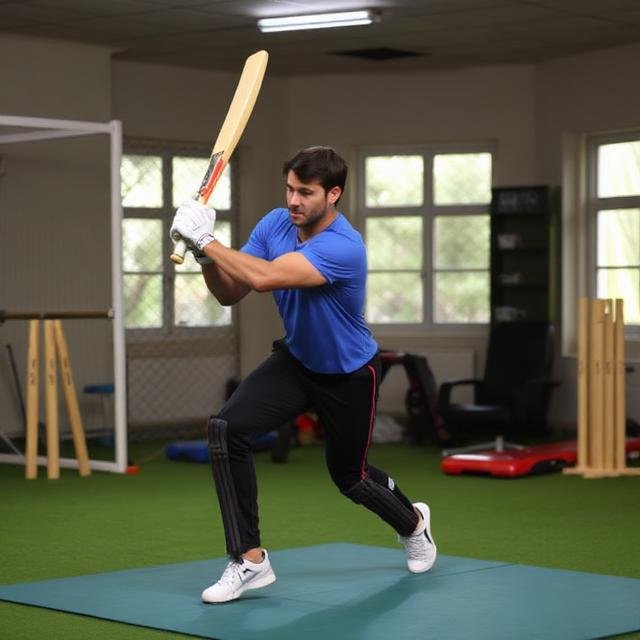
Cricket is a physically demanding sport that requires a combination of strength, endurance, agility, and mental focus. While professional players often have access to gyms, coaches, and specialized equipment, aspiring cricketers can still achieve excellent fitness at home with the right training plan. This guide will provide a detailed, point-to-point approach to home-based fitness for cricket, answer commonly asked questions, and highlight exercises that improve overall performance.
1. Why Fitness Is Essential for Cricket Players
Fitness is the backbone of cricket performance. No matter how skilled a player is, without proper physical conditioning, their game will suffer. Here’s why fitness matters:
- Endurance: Running between wickets, bowling long spells, and sustaining focus over long innings requires stamina.
- Strength: Powerful shots, fast bowling, and long throws need muscle strength.
- Agility: Quick reflexes and movement in the field prevent missed opportunities.
- Injury Prevention: Proper conditioning reduces the risk of strains, sprains, and long-term injuries.
- Mental Sharpness: A fit body supports concentration and decision-making during matches.
2. How to Improve Fitness for Cricket at Home?
Improving cricket fitness at home is achievable with minimal equipment. The key is consistency and a structured routine.
Step 1: Warm-Up (5–10 Minutes)
Start every session with a warm-up to prevent injuries and prepare muscles:
- Jumping jacks
- Arm and leg swings
- High knees
- Dynamic stretches (lunges, torso twists)
Step 2: Cardio for Endurance
Endurance is crucial in cricket, especially for bowlers and running between wickets:
- Jogging or running in place
- Skipping rope
- Stair climbing
- High-intensity burpees
Step 3: Strength Training
Cricket requires functional strength for batting, bowling, and fielding:
- Push-ups for upper body strength
- Squats and lunges for leg power
- Planks and core exercises for stability
- Glute bridges for explosive movements
Step 4: Agility and Reflex Drills
Agility improves fielding and running speed:
- Ladder drills or imaginary ladder steps
- Side-to-side shuffles
- Quick directional sprints
- Reaction ball exercises (if available)
Step 5: Core and Balance Training
A strong core ensures stability during batting, bowling, and fielding:
- Planks and side planks
- Russian twists
- Bicycle crunches
- Single-leg balance exercises
Step 6: Cool-Down and Stretching (5–10 Minutes)
Finish with static stretches and deep breathing to enhance recovery:
- Hamstring stretches
- Shoulder stretches
- Quadriceps stretches
- Yoga poses for flexibility
Even 30–45 minutes daily of these exercises can significantly improve fitness for cricket.
3. What Is the 5 4 3 2 1 Workout?
The 5 4 3 2 1 workout is a simple yet effective high-intensity training routine ideal for home-based cricket fitness. It targets multiple muscle groups, improves cardiovascular endurance, and enhances agility.
How It Works:
- 5 repetitions – Push-ups
- 4 repetitions – Squats or jump squats
- 3 repetitions – Burpees
- 2 repetitions – Plank holds (time-based, e.g., 30–60 seconds)
- 1 repetition – Sprint or high-intensity move
This workout is excellent for players who want a quick, full-body session that improves strength, stamina, and functional fitness without equipment.
4. Top 7 Exercises for Cricket Fitness at Home
Here are 7 essential exercises that target all major areas needed for cricket:
- Squats
- Strengthens quadriceps, glutes, and hamstrings
- Improves leg power for running and jumping
- Lunges
- Enhances single-leg strength and stability
- Crucial for bowling and quick directional changes
- Push-Ups
- Builds upper body and arm strength
- Supports batting and throwing power
- Planks
- Strengthens core muscles for stability and balance
- Improves posture for batting and bowling
- Burpees
- Combines cardio, strength, and agility
- Boosts endurance and explosiveness
- Mountain Climbers
- Enhances agility, speed, and cardiovascular fitness
- Mimics sprinting and running movements in cricket
- High Knees
- Improves running speed, stamina, and coordination
- Prepares legs for quick movements on the field
Performing these exercises in circuits or repetitions ensures a balanced, functional fitness program.
5. Strength Training Without a Gym
Even without gym equipment, players can build strength using bodyweight exercises:
- Push-ups: 3 sets of 15–20 reps
- Squats: 3 sets of 20 reps
- Lunges: 3 sets of 12–15 reps per leg
- Glute bridges: 3 sets of 15 reps
- Plank variations: 3 rounds of 30–60 seconds
Resistance bands or household items like water bottles can add extra intensity.
6. Core and Balance Training
A strong core is essential for batting stability, bowling power, and injury prevention:
- Planks & Side Planks: Maintain body stability during batting and bowling
- Russian Twists: Improve rotational strength for powerful shots
- Bicycle Crunches: Strengthen abdominal muscles for better endurance
- Single-Leg Stands: Improve balance for bowling and fielding
7. Agility and Reflex Training
Fielding and quick movements require exceptional agility and reflexes:
- Ladder drills (or imaginary ladder steps)
- Quick lateral shuffles
- Sprinting short distances with rapid direction changes
- Reaction ball or catching drills for reflex improvement
These exercises enhance quickness, reaction time, and overall on-field agility.
8. Cardio and Stamina Drills
Cardio fitness ensures cricketers can perform over long innings or multiple overs:
- Jump rope: 10–15 minutes
- Jogging or sprinting intervals
- Stair climbs
- High-intensity burpee circuits
Regular cardio increases VO2 max, allowing players to sustain energy throughout matches.
9. Nutrition Tips for Home-Based Cricket Fitness
Proper nutrition is crucial to support workouts and recovery:
- Balanced diet with carbs, proteins, and healthy fats
- Stay hydrated throughout the day
- Include fruits and vegetables for vitamins and minerals
- Pre- and post-workout snacks like protein shakes or nuts
Nutrition combined with consistent home workouts maximizes performance.
10. How Many Hours Does Virat Kohli Do Gym?
Professional cricketers like Virat Kohli are known for their rigorous fitness routines. Virat Kohli spends 2–3 hours daily in the gym, which includes:
- Strength training for upper and lower body
- Cardio for endurance and stamina
- Functional and agility exercises
- Stretching and recovery routines
While aspiring players may not match this intensity, it serves as inspiration to maintain a disciplined home fitness schedule.
11. Sample Home Workout Plan for Cricket Players
Warm-Up (10 Minutes)
- Jumping jacks: 2 minutes
- High knees: 2 minutes
- Arm and leg swings: 3 minutes
- Lunges: 3 minutes
Main Workout (30–45 Minutes)
- Squats: 3 sets of 20 reps
- Push-ups: 3 sets of 15 reps
- Lunges: 3 sets of 12 reps per leg
- Plank: 3 rounds of 45 seconds
- Burpees: 3 sets of 10 reps
- Mountain climbers: 3 sets of 20 reps
- High knees: 3 sets of 30 seconds
Agility & Reflex Drills (10 Minutes)
- Side-to-side shuffles
- Quick sprints in short distances
- Ladder drills or imaginary ladder steps
Cool Down (5–10 Minutes)
- Hamstring stretches
- Quadriceps stretches
- Shoulder and back stretches
- Deep breathing and relaxation
12. Tips for Success in Home Fitness
- Be consistent: Train at least 4–6 days per week
- Focus on form rather than speed or reps
- Gradually increase intensity and duration
- Track your progress with a fitness journal
- Include rest and recovery days
13. Common Mistakes to Avoid
- Skipping warm-up or cool-down
- Overtraining without proper recovery
- Ignoring flexibility and core exercises
- Focusing solely on strength or cardio
- Neglecting proper nutrition and hydration
Balanced training prevents injury and ensures steady progress.
14. Benefits of Home Fitness Training for Cricket
- Builds strength, stamina, and agility
- Enhances mental focus and game awareness
- Reduces injury risk
- Improves performance across batting, bowling, and fielding
- Provides flexibility to train anytime without gym dependency
15. Final Thoughts
Fitness training at home can significantly improve a cricket player’s performance. By incorporating strength, endurance, agility, and flexibility exercises, players can develop the physical and mental resilience needed for cricket. Key questions like “How to improve fitness for cricket at home?”, “What is the 5 4 3 2 1 workout?”, and “What are the 7 exercises?” can all be addressed with consistent training routines. Drawing inspiration from professional cricketers like Virat Kohli, who dedicate 2–3 hours daily to fitness, aspiring players can achieve excellent conditioning without stepping into a gym.
Commit to daily practice, maintain proper nutrition, and stay disciplined. Your home fitness routine can make a significant difference in your cricket performance, preparing you for longer innings, faster bowling, and agile fielding. Start today and transform your game from good to great!