Outdoor adventure sports offer an exciting way to explore nature, challenge yourself, and stay physically active. From adrenaline-pumping activities like rock climbing to more relaxed pursuits like kayaking, there’s something for everyone. If you’ve been asking, “What are outdoor adventure sports?”, this guide will break it down for beginners and show you how to get started safely.
Whether you’re looking to try something new or want tips on how to start adventure sports, this comprehensive beginner’s guide covers everything—from the best beginner-friendly sports to preparation tips for your first outdoor adventure.
What Are Outdoor Adventure Sports?
Outdoor adventure sports are physical activities that combine excitement, challenge, and the great outdoors. Unlike traditional sports, these activities often involve elements of risk and require focus, physical strength, and problem-solving skills.
Key characteristics of adventure sports:
- Conducted outdoors in natural environments
- Often involve physical exertion and skill
- Provide a sense of thrill or challenge
- Can be done solo, with friends, or in teams
Examples include hiking, rock climbing, paragliding, kayaking, and mountain biking. Each sport offers unique experiences and helps improve fitness, endurance, and confidence.
What Are the Best Outdoor Sports for Beginners?
If you’re new to adventure sports, it’s important to start with activities that are safe, enjoyable, and manageable for beginners. Here are some of the best options:
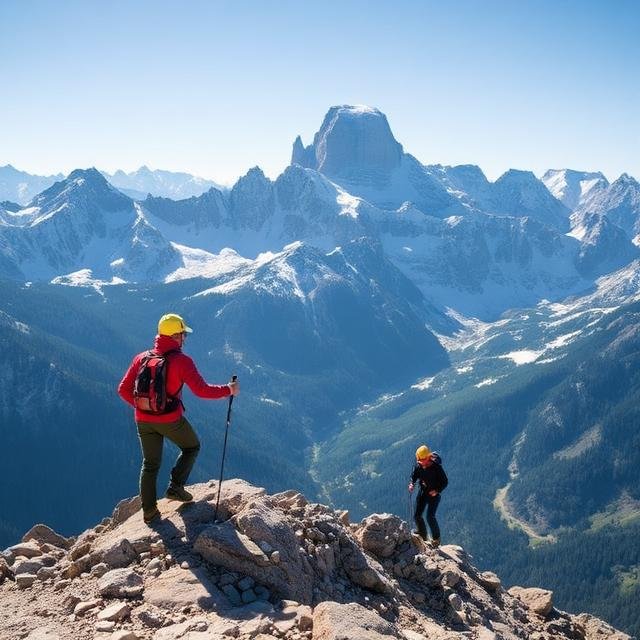
1. Hiking
- Easy to start, requires minimal equipment
- Improves cardiovascular health and leg strength
- Allows beginners to explore nature at their own pace
2. Kayaking
- Can be done in calm rivers or lakes
- Strengthens upper body and core
- Beginner-friendly with guided lessons available
3. Rock Climbing (Indoor or Low-Height Outdoor)
- Focuses on strength, balance, and problem-solving
- Beginners can start on low walls or easy trails
- Helps build confidence before attempting higher climbs
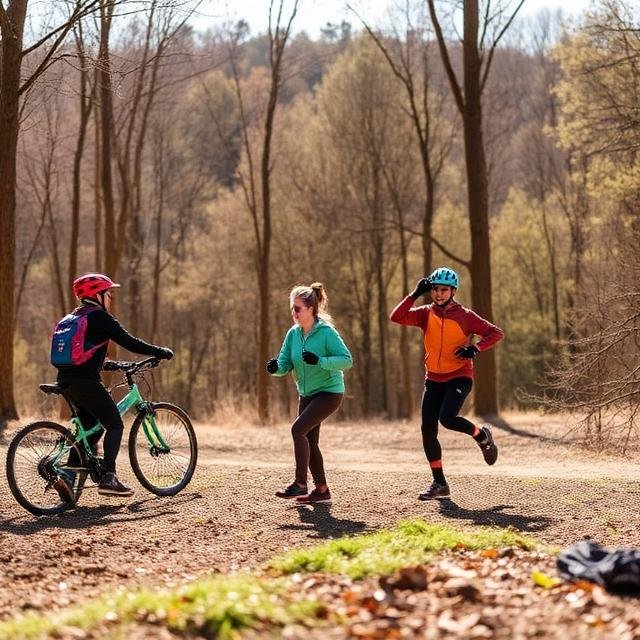
4. Mountain Biking
- Start on easy trails to learn balance and handling
- Builds leg muscles and endurance
- Offers adventure without extreme risk
5. Ziplining
- Provides thrill with minimal physical exertion
- Great for gaining confidence before trying more extreme activities
6. Camping with Adventure Activities
- Combines hiking, trekking, and simple outdoor games
- Perfect for introducing beginners to adventure sports gradually
How to Start Adventure Sports
Starting an adventure sport may feel intimidating at first, but following these steps can make the process smooth and enjoyable:
1. Choose the Right Activity
- Consider your fitness level, interests, and available locations
- Start with beginner-friendly sports like hiking or kayaking
2. Take Lessons or Join a Group
- Professional instructors can teach proper techniques and safety
- Group outings provide motivation and guidance
3. Learn Safety Basics
- Understand the risks associated with each sport
- Learn first aid basics
- Use protective gear such as helmets, gloves, or harnesses
4. Set Realistic Goals
- Start small and gradually increase difficulty
- Focus on skill development rather than competition
5. Keep a Positive Mindset
- Adventure sports are about fun, exploration, and personal growth
- Mistakes and challenges are part of the learning process
How to Prepare for an Outdoor Adventure
Preparation is key to enjoying adventure sports safely. Here’s a step-by-step guide to getting ready:
1. Physical Preparation
- Build general fitness through cardio, strength, and flexibility exercises
- Focus on sport-specific exercises for climbing, paddling, or cycling
2. Gear and Equipment
- Invest in proper footwear, clothing, and safety equipment
- Ensure all equipment is checked and in good condition
3. Research the Location
- Know the terrain, weather, and difficulty level of your chosen spot
- Check if permits or permissions are required
4. Pack Essentials
- Water and snacks
- First aid kit
- Navigation tools (maps, GPS, or compass)
- Weather-appropriate clothing
5. Mental Preparation
- Stay calm and confident
- Visualize the activity and possible challenges
- Prepare for unexpected situations
Popular Beginner-Friendly Outdoor Adventure Sports Explained
Here’s a deeper look at some adventure sports that are perfect for beginners:
1. Hiking and Trekking
- Why it’s great for beginners: Low risk, easy to start
- Equipment: Hiking boots, backpack, water, snacks
- Tips: Start with short trails, maintain a steady pace, and rest often
2. Kayaking and Canoeing
- Why it’s great: Smooth water kayaking is beginner-friendly
- Equipment: Life jacket, paddle, kayak or canoe
- Tips: Take lessons to learn proper paddling techniques
3. Rock Climbing (Low Heights)
- Why it’s great: Indoor climbing walls are safe and supervised
- Equipment: Climbing shoes, harness, helmet
- Tips: Focus on balance and grip before attempting higher outdoor climbs
4. Mountain Biking
- Why it’s great: You can choose easy trails initially
- Equipment: Mountain bike, helmet, gloves
- Tips: Start with short rides, maintain control, and learn proper braking techniques
5. Ziplining
- Why it’s great: Thrilling without requiring advanced skills
- Equipment: Harness and safety gear provided by operators
- Tips: Listen to instructors and relax while gliding
Safety Tips for Beginners
Safety should always be a top priority when starting adventure sports:
- Wear protective gear: Helmets, gloves, life jackets, harnesses
- Follow instructions: Listen carefully to instructors
- Don’t push limits too quickly: Progress gradually
- Check weather conditions: Avoid extreme conditions
- Stay hydrated and fueled: Bring water and snacks
Benefits of Starting Outdoor Adventure Sports
Adventure sports offer a wide range of benefits beyond just fun and excitement:
- Improved physical fitness: Enhances strength, endurance, and flexibility
- Mental resilience: Builds confidence and reduces stress
- Connection with nature: Encourages mindfulness and appreciation of the outdoors
- Social interaction: Adventure activities are often done in groups or pairs
- Skill development: Enhances coordination, balance, and problem-solving
Beginner Mistakes to Avoid
- Skipping warm-ups or stretching
- Ignoring safety rules
- Overestimating abilities and attempting advanced activities too soon
- Not checking equipment or weather
- Focusing too much on speed or competition instead of learning
Sample Beginner Adventure Sports Plan
Here’s a suggested schedule for a beginner looking to explore adventure sports over a weekend:
- Day 1: Short hike or nature trail
- Day 2: Kayaking or canoeing on calm water
- Day 3: Indoor rock climbing session or low-height outdoor climb
- Day 4: Mountain biking on an easy trail or ziplining adventure
This gradual progression builds confidence, fitness, and familiarity with outdoor adventure sports.
Final Thoughts
If you’ve been asking “What are the best outdoor sports for beginners?” or “How to start adventure sports?”, the key is to begin with manageable activities, prepare thoroughly, and focus on enjoyment rather than speed or competition. Outdoor adventure sports provide a unique blend of physical fitness, mental resilience, and connection with nature—making them a perfect choice for anyone looking to add excitement and activity to their life.
Remember, preparation, safety, and gradual progression are the pillars of a successful adventure sports journey. So pack your gear, choose a beginner-friendly activity, and take your first steps into the world of outdoor adventure. The thrill of exploration awaits!