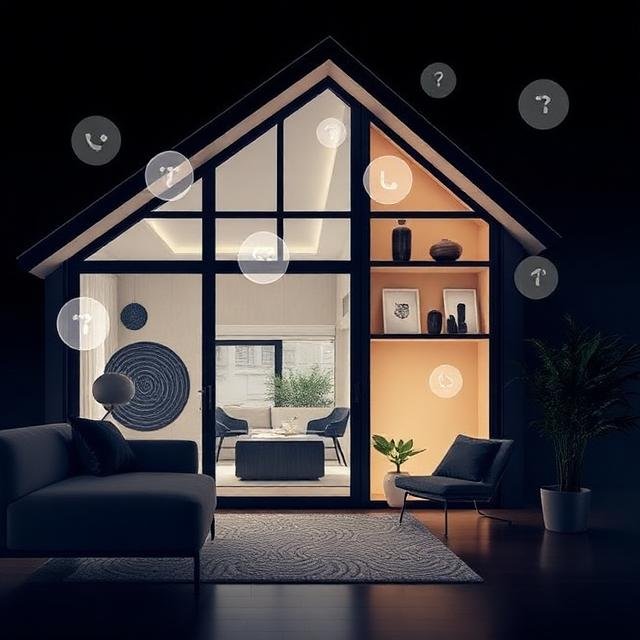
Smart home technology has transformed the way we live, making homes more convenient, efficient, and secure. From controlling lights with your voice to automating your thermostat, smart devices are increasingly becoming a part of everyday life. But how exactly does smart home technology work? What are the benefits of smart home technology? And which are the essential devices to get started? In this guide, we’ll answer these questions and explore the four most popular smart devices in homes today.
How Does Smart Home Technology Work?
Smart home technology uses connected devices to automate tasks and improve convenience. These devices typically communicate through a central hub or network using Wi-Fi, Bluetooth, Zigbee, or Z-Wave protocols. Here’s how it works:
- Sensors and Input Devices
- Smart devices often include sensors that detect motion, temperature, humidity, or light. For example, a motion sensor can turn on lights when someone enters a room.
- Connectivity
- Devices connect to your home network via Wi-Fi, Zigbee, or Bluetooth. This allows them to communicate with a central hub, smartphone, or other smart devices.
- Central Hub or App Control
- A smart home hub or app acts as the brain of your system. It collects data from devices, allows you to control them remotely, and enables automation routines.
- Automation and AI
- Many smart devices use artificial intelligence (AI) to learn your habits and adjust settings automatically. For instance, a smart thermostat can learn your schedule and maintain optimal temperatures.
- Remote Access
- Smart devices can be controlled from anywhere using smartphone apps. This means you can turn on the lights, adjust the thermostat, or monitor security cameras even when you’re not at home.
In short, smart technology works by connecting devices, collecting and analyzing data, and allowing users to control their home environment effortlessly.
What Are the Benefits of Smart Home Technology?
Smart home technology offers several advantages that improve convenience, security, and efficiency:
- Energy Efficiency
- Smart thermostats, lights, and appliances optimize energy usage, reducing electricity bills and environmental impact.
- Enhanced Security
- Smart cameras, door locks, and alarm systems allow you to monitor your home remotely and receive real-time alerts in case of unusual activity.
- Convenience and Automation
- Devices can be programmed to perform tasks automatically, such as turning off lights when no one is in the room or starting your coffee machine in the morning.
- Remote Access
- You can control smart devices from your smartphone, tablet, or voice assistant, making it easy to manage your home even when away.
- Personalization
- AI-driven smart devices learn your preferences and adjust settings accordingly, providing a personalized living experience.
- Time-Saving
- By automating routine tasks, smart home technology frees up time for other important activities.
- Health and Comfort
- Smart air purifiers, lighting, and climate control systems create healthier, more comfortable living environments.
How Does Smart Technology Work?
Smart technology works through the integration of sensors, connectivity, data processing, and user interfaces. Here’s a closer look:
- Sensors
- Sensors detect changes in the environment, such as motion, temperature, or humidity. These inputs trigger actions, like adjusting a thermostat or turning on lights.
- Connectivity
- Devices use Wi-Fi, Bluetooth, Zigbee, or Z-Wave to communicate with hubs and apps. This allows multiple devices to work together seamlessly.
- Data Processing
- Smart devices analyze the data they receive to make decisions. AI and machine learning can enhance this process by predicting user behavior and optimizing settings.
- User Interface
- Users interact with smart devices through apps, voice commands, or physical controls. Apps allow remote control, scheduling, and monitoring of device performance.
Essentially, smart technology transforms everyday appliances into connected, intelligent devices that can respond to your needs automatically.
What Are the 4 Smart Devices You Should Have?
If you are starting with smart home technology, these four devices are essential:
- Smart Thermostat
- Examples: Nest Thermostat, Ecobee
- Features: Temperature control, scheduling, energy usage reports, and remote access
- Benefits: Reduces energy bills, maintains comfort, and can be controlled remotely
- Smart Lighting
- Examples: Philips Hue, LIFX Bulbs
- Features: Remote control, color adjustment, automation, and voice commands
- Benefits: Convenience, energy savings, and customizable ambiance
- Smart Security Cameras
- Examples: Ring, Arlo, Nest Cam
- Features: Live video streaming, motion detection, alerts, and cloud storage
- Benefits: Enhanced home security, remote monitoring, and peace of mind
- Smart Speakers / Voice Assistants
- Examples: Amazon Echo, Google Nest Hub
- Features: Voice control, integration with smart devices, reminders, music, and information
- Benefits: Hands-free control, automation, and a centralized smart home hub
These four devices form the foundation of a connected home and can be expanded with other smart gadgets such as smart plugs, robotic vacuums, and smart appliances.
Additional Smart Home Gadgets to Consider
Beyond the basic four, there are many other smart devices that enhance convenience and productivity:
- Smart Plugs – Turn any device into a smart device with remote control and automation.
- Robotic Vacuum Cleaners – Automatically clean floors on a schedule.
- Smart Door Locks – Keyless entry, remote locking/unlocking, and activity logs.
- Smart Air Purifiers – Monitor air quality and adjust settings automatically.
- Smart Kitchen Appliances – Connected ovens, refrigerators, and coffee makers for seamless kitchen automation.
Tips for Setting Up Smart Home Technology
- Start Small – Begin with one or two devices and gradually expand your smart home ecosystem.
- Choose Compatible Devices – Ensure devices work with your chosen hub or voice assistant.
- Secure Your Network – Use strong passwords and encryption to protect your smart home devices from hackers.
- Use Automation – Set schedules, triggers, and routines to maximize convenience.
- Update Regularly – Keep software and firmware updated for better performance and security.
Final Thoughts
Smart home technology has made it possible to control, automate, and optimize home environments with ease. Understanding how smart home technology works and how smart technology works helps you appreciate the convenience and efficiency these devices bring.
The benefits of smart home technology—such as energy savings, enhanced security, and time-saving automation—make it an investment worth considering. Starting with the four essential devices—smart thermostat, smart lighting, smart security cameras, and smart speakers—can create a foundation for a fully connected, intelligent home.
As technology advances, smart homes are becoming more accessible and easier to integrate, offering personalized experiences and increased control over daily life. By choosing the right devices and setting up a secure, connected system, anyone can enjoy the modern convenience of a smart home in 2026 and beyond.