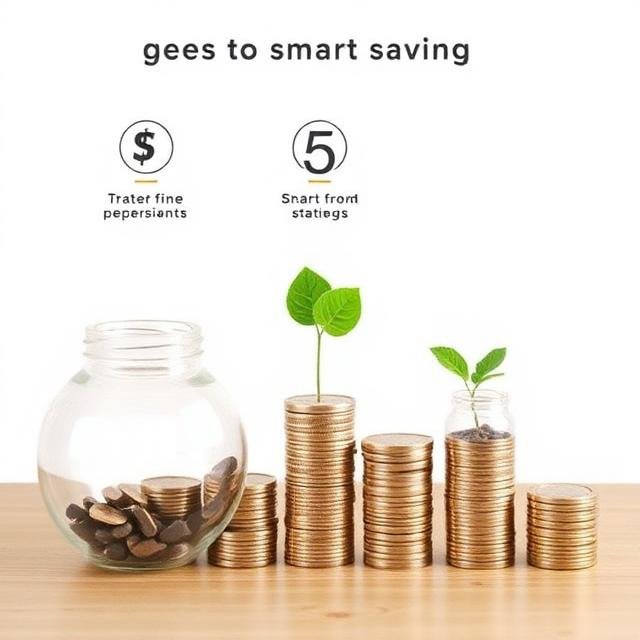
Investing can seem like something only wealthy people can do, but that’s not true. Even with small amounts of money, UK residents can start investing, grow their wealth over time, and build long-term financial security. The key is knowing where to start, understanding the options, and taking a consistent approach.
This guide explains how to start investing with little money in the UK.
1. Set Up a Strong Financial Foundation
Before investing, make sure your personal finances are in order:
- Build a small emergency fund (even £500–£1,000 helps)
- Pay off high-interest debt
- Ensure you have a stable income
Investing works best when your short-term finances are secure, so you won’t need to sell investments unexpectedly.
2. Choose the Right Investment Accounts
In the UK, using tax-efficient accounts helps your money grow faster:
💷 Stocks and Shares ISA
- Invest up to the annual ISA allowance (£20,000 in 2026)
- All gains and dividends are tax-free
- Can hold shares, ETFs, or funds
👵 Pension (Workplace or Personal)
- Contributions often receive tax relief
- Long-term growth is tax-efficient
- Ideal for retirement savings
Even if you invest small amounts monthly, these accounts maximise returns over time.
3. Start with Low-Cost Investment Platforms
Many UK investment platforms allow you to start with as little as £1–£50. Look for platforms that are:
- FCA-regulated
- Offer low fees
- Beginner-friendly
- Provide educational resources
Some examples include robo-advisors, beginner-focused investment apps, and online brokers.
4. Consider Low-Risk, Diversified Options
When starting with little money, focus on diversification to reduce risk:
- Index funds & ETFs: Track a basket of stocks; lower risk than individual shares
- Bond funds: Lower-risk investments that provide interest income
- Cash ISAs: Small amounts can grow safely with interest
Diversification ensures that your money isn’t tied to a single company or sector.
5. Invest Small Amounts Regularly
Consistency is more important than the amount. Even investing £25–£50 per month can grow significantly over time due to compound interest.
Automate your contributions so you invest regularly without having to think about it. Over the years, this habit can lead to substantial growth.
6. Understand Risk and Time Horizon
All investments involve some level of risk, especially in the short term. Consider:
- Time horizon: Long-term investing (5–10 years+) reduces the impact of market fluctuations
- Risk tolerance: Only invest money you can leave untouched for a while
Starting small allows you to learn and grow comfortable with investing without taking unnecessary risks.
7. Educate Yourself
Even small investments benefit from knowledge. Learn about:
- Different asset types (shares, funds, bonds)
- How fees impact returns
- Market trends and basic investment principles
Many platforms provide free guides and webinars to help beginners.
Final Thoughts
You don’t need a large lump sum to start investing in the UK. By starting small, investing regularly, and using tax-efficient accounts, anyone can begin building wealth. The earlier you start, the more time your money has to grow.
Remember: consistency, patience, and a long-term mindset are the keys to successful investing — no matter how much you start with.