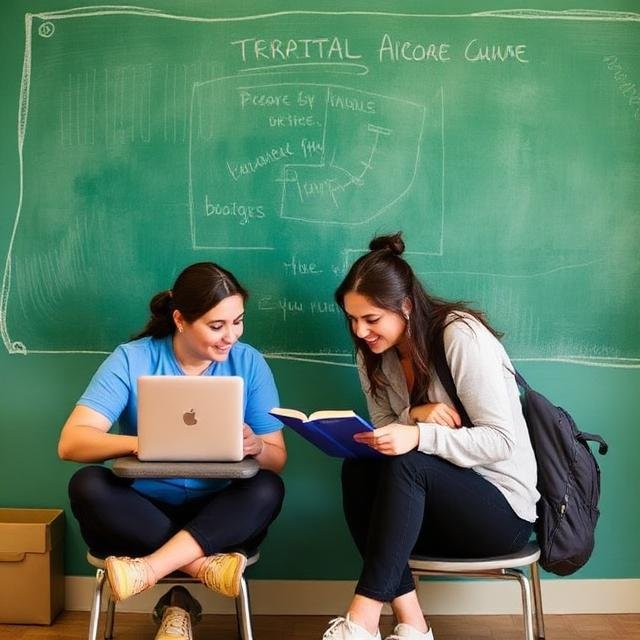
Home schooling has become an increasingly popular choice for families in the UK. Whether driven by flexibility, personalized learning, or specific educational needs, home schooling can be highly effective when done with the right approach. Understanding strategies for effective home schooling in the UK helps parents create a structured, supportive, and engaging learning environment for their children.
Understand Home Schooling Laws in the UK
Before starting, it’s important to understand the legal framework. In the UK, parents have the right to educate their children at home, as long as the education is suitable for the child’s age, ability, and aptitude.
Key points include:
- No requirement to follow the National Curriculum, though it can be used as a guide
- No mandatory exams, but GCSEs can be taken privately
- Local authorities may make informal inquiries about education suitability
Understanding these rules helps parents plan confidently.
Create a Structured Learning Routine
Structure is essential for successful home schooling.
Tips for building a routine:
- Set consistent study times
- Balance academic work with breaks
- Include time for creative and physical activities
- Keep routines flexible to suit the child’s pace
A predictable schedule helps children stay focused and motivated.
Design a Personalized Learning Plan
One of the biggest advantages of home schooling is customization.
How to personalize learning:
- Focus on your child’s strengths and interests
- Adjust teaching pace based on understanding
- Use hands-on and interactive methods
- Set short-term and long-term learning goals
Personalized plans make learning more engaging and effective.
Use Quality Learning Resources
Home schooling families in the UK have access to a wide range of learning materials.
Helpful resources include:
- Online platforms like BBC Bitesize and Oak National Academy
- Textbooks and workbooks aligned with UK exam boards
- Educational apps and videos
- Libraries and online learning communities
Using a variety of resources keeps lessons interesting and well-rounded.
Encourage Active and Experiential Learning
Children learn best by doing.
Active learning ideas include:
- Educational games and experiments
- Field trips to museums and historical sites
- Project-based learning
- Real-life math and problem-solving activities
These methods improve understanding and retention.
Incorporate Social Interaction
Social development is just as important as academics.
Ways to support social skills:
- Join local home schooling groups
- Enroll in sports, arts, or music classes
- Participate in community activities
- Arrange group learning sessions
Regular interaction helps children build confidence and communication skills.
Track Progress and Keep Records
Monitoring progress ensures learning stays on track.
What to track:
- Subjects covered and learning outcomes
- Samples of work and projects
- Skills development and achievements
- Areas needing improvement
Keeping records is helpful for personal evaluation and local authority inquiries.
Prepare for Exams and Qualifications
Although exams are optional, many home-schooled students choose to take GCSEs or other qualifications.
Preparation tips:
- Choose exam boards early
- Use structured revision plans
- Consider online tutors or exam centers
- Practice with past papers
Early planning reduces stress and improves results.
Support Emotional Well-Being
Home schooling should support the child’s mental and emotional health.
Well-being strategies include:
- Encouraging open communication
- Celebrating progress and effort
- Avoiding unnecessary pressure
- Allowing flexibility when needed
A positive environment helps children thrive academically and emotionally.
Final Thoughts
Effective home schooling in the UK requires planning, flexibility, and commitment. By understanding legal requirements, creating structured routines, using quality resources, and focusing on both academic and personal development, families can build a successful home education experience. With the right strategies, home schooling can be a rewarding and enriching journey for both parents and children