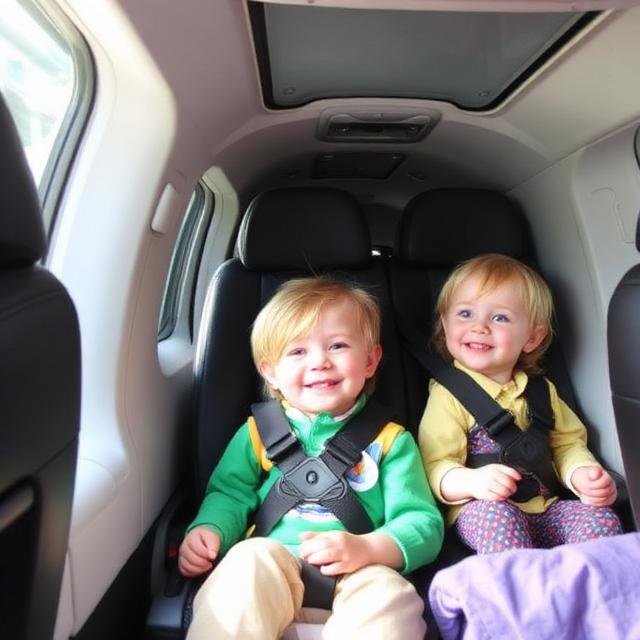
Traveling with children can be one of the most rewarding experiences for families. It allows parents and kids to explore new places, learn about different cultures, and create lifelong memories together. However, traveling with kids also comes with additional responsibilities. Parents must ensure that their children remain safe, comfortable, and well-prepared throughout the journey.
Whether you are planning a road trip, flying to another country, or visiting a nearby destination, safety should always be a top priority. Many parents often ask questions like How to keep kids safe during travel?, What is the hardest age to travel with kids?, and What is the 10-10-10 rule for kids? Understanding these concepts can help families prepare better and enjoy a stress-free trip.
This guide explains how to travel safely with kids, providing practical safety tips and answering common parenting questions related to travel.
Why Travel Safety Is Important for Kids
Children are naturally curious and energetic, which makes travel exciting but sometimes unpredictable. Airports, crowded tourist attractions, unfamiliar environments, and long journeys can pose safety challenges for families. Proper preparation ensures that kids stay safe while still enjoying the adventure.
Safety during travel involves several factors, including transportation safety, health precautions, supervision, and emergency preparedness. Parents should always plan ahead and anticipate potential risks before starting a trip.
Teaching children basic safety rules before traveling is also very helpful. Kids should understand important information such as their parents’ phone numbers, hotel names, and what to do if they get separated in crowded places. These simple precautions can significantly reduce travel risks.
With the right planning and awareness, families can explore the world confidently while ensuring their children remain safe and protected.
How to Keep Kids Safe During Travel
One of the most important questions parents ask is How to keep kids safe during travel? Safety starts with preparation and awareness.
Before leaving home, make sure you pack a travel safety kit for your child. This kit should include essential items such as medications, first-aid supplies, hand sanitizer, wipes, and emergency contact information. Having these items easily accessible can help parents respond quickly to minor health issues or accidents.
Transportation safety is also crucial. If traveling by car, ensure that children are seated in appropriate car seats or booster seats according to their age and weight. Seat belts should always be worn properly. For flights, parents should monitor children closely and encourage them to remain seated during turbulence.
Crowded places like airports, train stations, or tourist attractions require extra supervision. Young children should stay within sight at all times. Some parents choose to use identification bracelets or tags that include contact details in case a child gets lost.
Another important tip is to maintain healthy habits while traveling. Make sure children stay hydrated, eat nutritious meals, and get enough rest. Fatigue and hunger can increase irritability and make it harder for kids to follow safety instructions.
Parents should also research the destination’s healthcare facilities, emergency services, and safety guidelines before traveling. Being prepared for unexpected situations can make a huge difference in ensuring a safe family trip.
What Is the 10-10-10 Rule for Kids?
Parents often hear about the 10-10-10 rule for kids, especially during travel or long journeys. This rule is commonly used to help children manage screen time and maintain a healthy balance of activities.
The 10-10-10 rule generally suggests that children should not spend extended periods continuously using screens or sitting still. Instead, every 10 minutes of screen time should be balanced with activities that allow children to rest their eyes and move around.
For example, during a long road trip or flight, children may watch a show or play a game for about 10 minutes. After that, they should take a short break, stretch their bodies, and look away from screens. This approach helps reduce eye strain and keeps kids physically active.
The rule also encourages parents to introduce a variety of activities during travel. Instead of relying solely on electronic devices, families can include reading, drawing, storytelling, or playing travel games.
Using the 10-10-10 rule can make long trips healthier and more enjoyable for children. It helps maintain a balance between entertainment and movement, preventing fatigue and restlessness.
What Is the Hardest Age to Travel with Kids?
Another common concern parents have is What is the hardest age to travel with kids? While every child is different, many parents find that toddlers between the ages of 1 and 3 years can be the most challenging travel companions.
Toddlers are naturally curious and energetic. They often want to explore everything around them, which can be difficult in environments like airplanes, cars, or crowded tourist locations. At this age, children may also struggle with routine changes, sleep disruptions, and unfamiliar surroundings.
However, traveling with toddlers does not have to be stressful. Proper planning can make the experience smoother. Parents should pack familiar items such as favorite toys, blankets, or snacks to provide comfort during the trip.
Scheduling frequent breaks during road trips is also helpful. Allowing toddlers time to stretch, walk, and play can reduce restlessness and frustration. Shorter travel days and flexible itineraries are often better suited for families with young children.
Interestingly, older children and teenagers usually adapt more easily to travel because they can communicate their needs and follow instructions. However, even toddlers can enjoy travel experiences when trips are planned with their needs in mind.
What Is the 9 Minute Rule for Kids?
Another concept that parents may hear about is the 9 minute rule for kids. This guideline is often used in parenting to encourage positive communication and emotional connection with children.
The 9 minute rule suggests that parents should focus on three key moments each day to connect with their child: the first three minutes after the child wakes up, the three minutes after returning from school or activities, and the last three minutes before bedtime.
Although this rule is not specifically designed for travel, it can be extremely helpful during family trips. Traveling can sometimes make children feel tired, overwhelmed, or anxious due to unfamiliar surroundings. Spending a few focused minutes with them during these key moments helps them feel secure and supported.
For example, during a vacation, parents can use the first few minutes of the morning to discuss the day’s activities and make kids excited about upcoming adventures. Similarly, the bedtime moments can be used to talk about the day’s highlights and reinforce positive memories.
By maintaining emotional connection through the 9 minute rule, families can create a supportive and enjoyable travel environment for children.
Essential Travel Safety Tips for Families
To ensure a smooth and secure trip, families should follow some important travel safety practices:
Plan ahead. Research your destination, including safety guidelines, healthcare facilities, and emergency services.
Pack smart. Carry essential items such as medications, travel insurance documents, snacks, and hygiene supplies.
Teach children safety basics. Kids should know their parents’ phone numbers and what to do if they get separated.
Use identification. Identification bracelets or cards can help reunite families if children get lost.
Stay aware of surroundings. Parents should remain attentive in crowded areas and avoid distractions.
Create a travel routine. Maintaining regular sleep and meal schedules helps children stay comfortable and cooperative.
These simple but effective steps help families minimize risks while traveling.
Benefits of Safe Family Travel
Traveling safely with kids offers numerous benefits beyond simply reaching a destination. It allows families to explore the world while building trust, confidence, and independence in children.
When children feel secure during travel, they are more open to new experiences. Visiting historical landmarks, museums, nature parks, and cultural attractions helps children learn about the world in a fun and engaging way.
Family travel also strengthens relationships. Spending uninterrupted time together encourages communication, teamwork, and shared experiences that bring families closer.
Most importantly, safe travel ensures that families can focus on enjoying their journey instead of worrying about potential risks. With the right preparation and awareness, family trips can become unforgettable adventures filled with laughter and discovery.
Final Thoughts
Traveling with children can be both exciting and challenging, but safety should always come first. By planning ahead, staying organized, and understanding important guidelines like the 10-10-10 rule, the 9 minute rule, and recognizing the hardest age to travel with kids, parents can make family trips much smoother.
If you are wondering how to keep kids safe during travel, the answer lies in preparation, supervision, and maintaining strong communication with your children. Simple precautions such as packing safety essentials, teaching basic travel rules, and staying alert in crowded environments can make a big difference.
Family travel is an incredible opportunity to explore the world together. When safety measures are in place, parents and children can relax, enjoy new adventures, and create beautiful memories that last a lifetime